Republished by Scitop Ltd. All rights belong to the original publisher; see Source below.
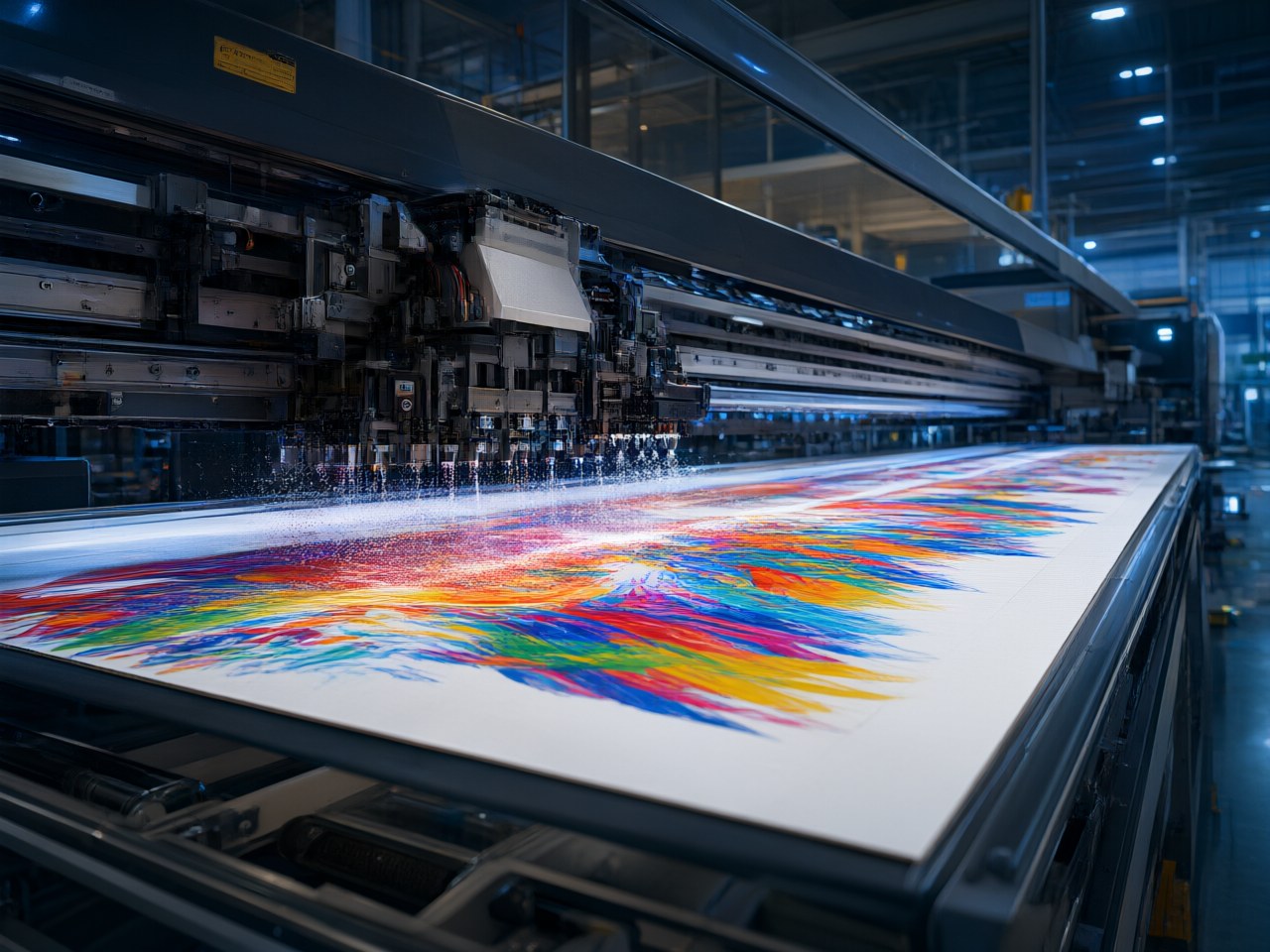
For decades, industrial manufacturing environments has relied on traditional decoration and marking methods like hot foil stamping, pad printing, laser and ink jet to brand rigid plastic components, and packaging. While these legacy technologies have served production lines well, they carry inherent inflexibilities—particularly when it comes to short runs, changeovers, and unit-level traceability.
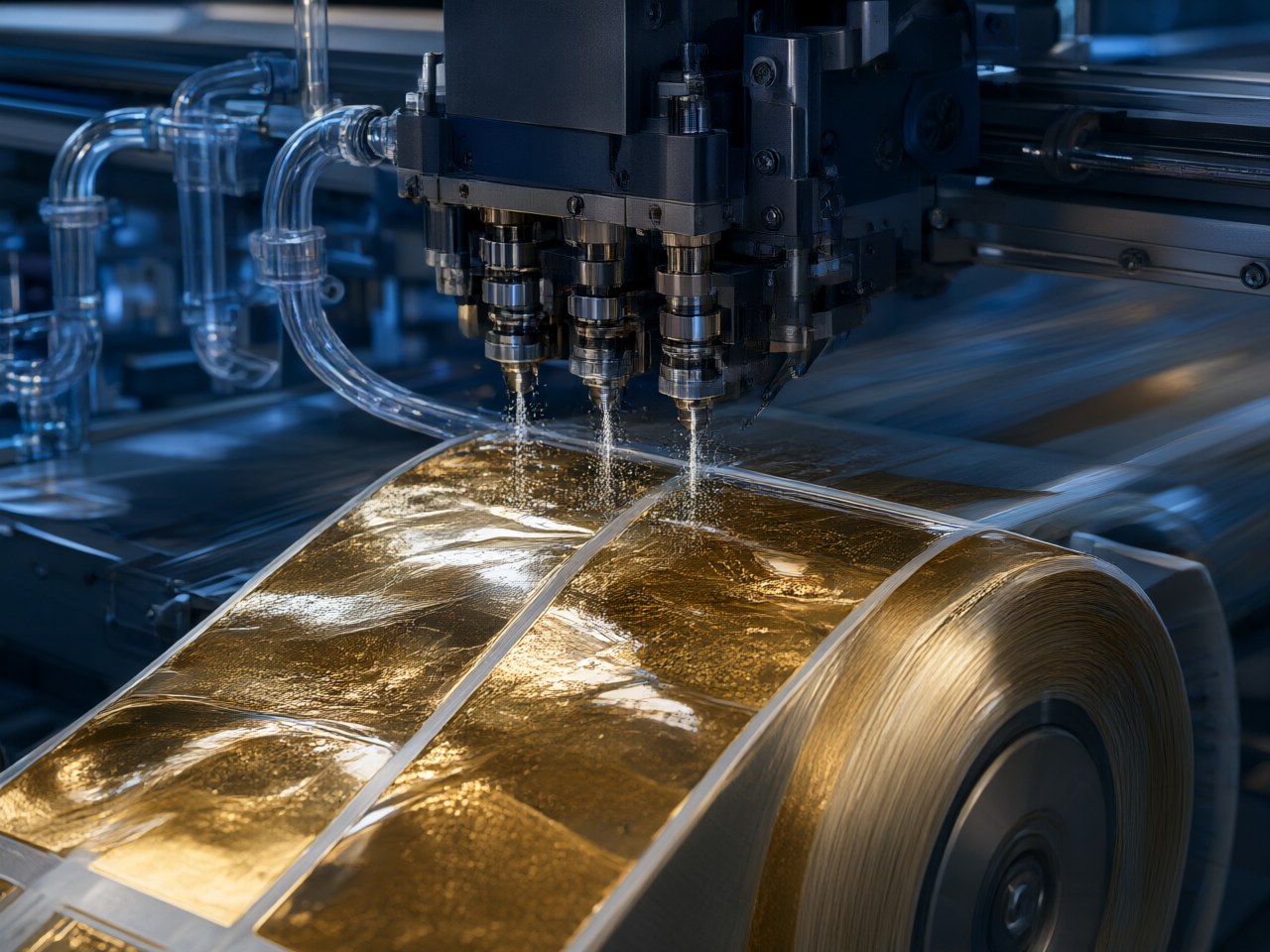
Enter EIDOS Coditherm technology: an innovative, digital solution designed to print fixed and variable data directly onto a clear receptor film which bonds to rigid and irregular surfaces without the traditional overheads mentioned above. Coditherm bridges the gap between digital flexibility and industrial direct-to-product marking, Coditherm is redefining how manufacturers approach component or product labelling and coding.
At the core of this adaptability are specialised consumable configurations—specifically the RINK and POSY printing methods—which allow the EIDOS Coditherm system to achieve exceptional adhesion and durability across a massive range of challenging polymer surfaces
The RINK Method (For Smooth & Glossy Plastics) Tailored specifically for smooth, glossy, high-density, and low-surface-energy plastics (such as PP, HDPE, PET, and PVC). RINK-mode ribbons are engineered to deliver pristine print definition for small characters, intricate logos, and high-density barcodes. The RINK method operates using a single-pass thermal transfer where the pigmented ink is transferred underneath a protective receptor film layer (or encapsulated directly against the substrate), shielding the image from physical abrasion and external solvents. It provides reliable resistance against outdoor conditions, scratching, and chemical solvents without requiring pre-treatment.
The POSY Method (For Structured & Rough Surfaces) Designed for slightly rough, textured, or irregular substrates often found in industrial bins, agricultural crates, and heavy-duty logistics containers. Utilising a multi-pass approach (such as laying down a solid white or transparent resin base layer followed by a high-contrast pigment layer), the POSY method creates a tough “sandwich” structure. This yields extreme resistance to heavy washing, high-temperature sterilisation cycles, scratching, and harsh industrial solvents. The POSYmethod operates using a single-pass thermal transfer where the pigmented ink is transferred on the top a protective receptor film layer
It may sound complicated but EIDOS take the guess work out of it by test printing components and recommending the right solution from the Coditherm suite of printers: – Flat; Pad; H-Pad; Round and I-Roller. Therefore as industrial sectors—from automotive and electronics to medical components and food manufacturing, supply chain logistics—demand tighter quality control and higher product traceability, the limitations of analogue printing methods become glaringly obvious.
EIDOS Coditherm technology provides a cleaner, faster, and infinitely more adaptable alternative. By eliminating physical plates, streamlining proofing, and empowering production lines with seamless serialisation, Coditherm secures its place as the definitive future of direct-to-plastic industrial digital printing.
Source
- tsclabelprinters.co.nz - Original article: The Future of Direct-to-Plastic Digital Printing - TSC Label Printers - New Zealand