Republished by Scitop Ltd. All rights belong to the original publisher; see Source below.
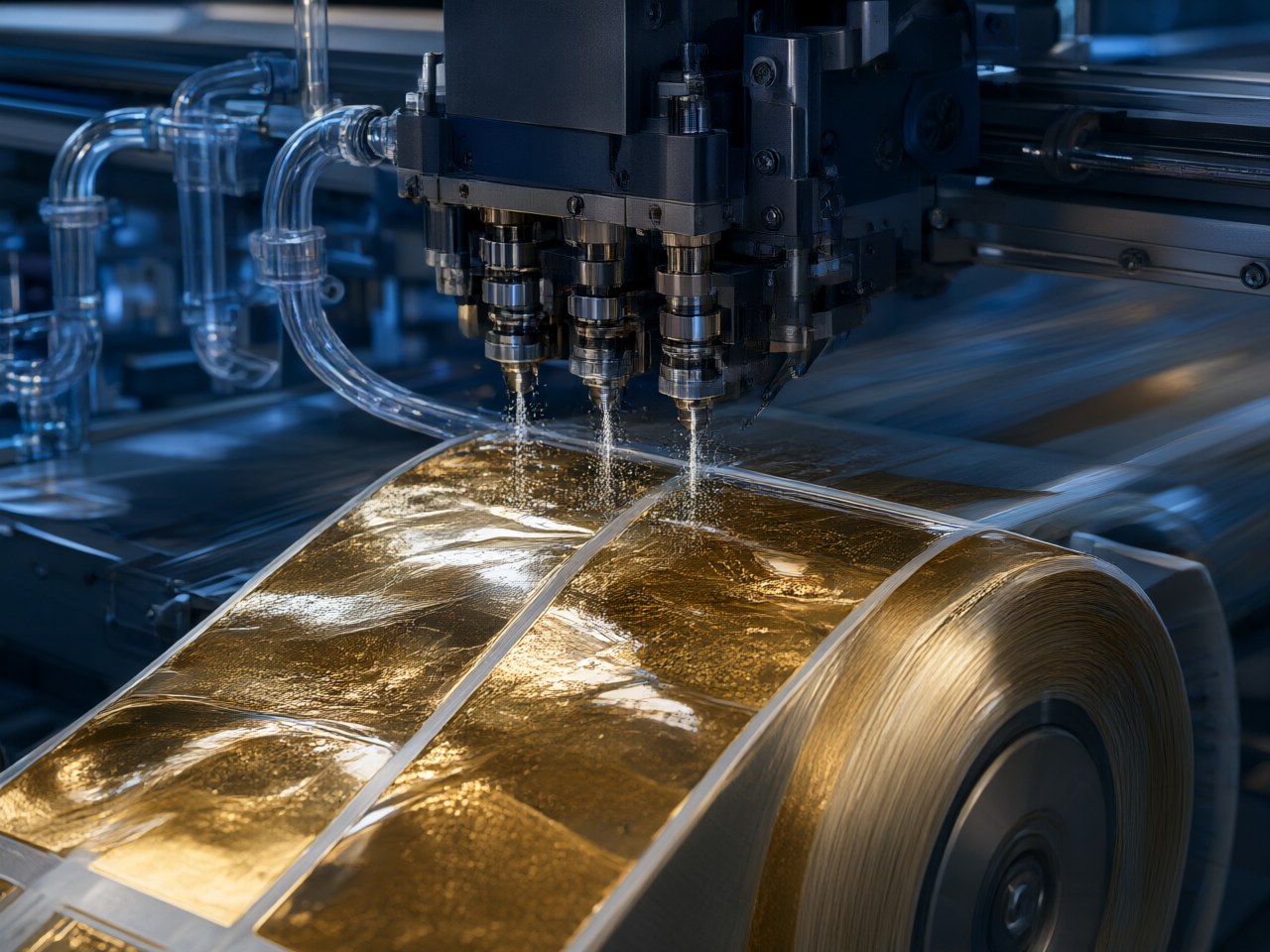
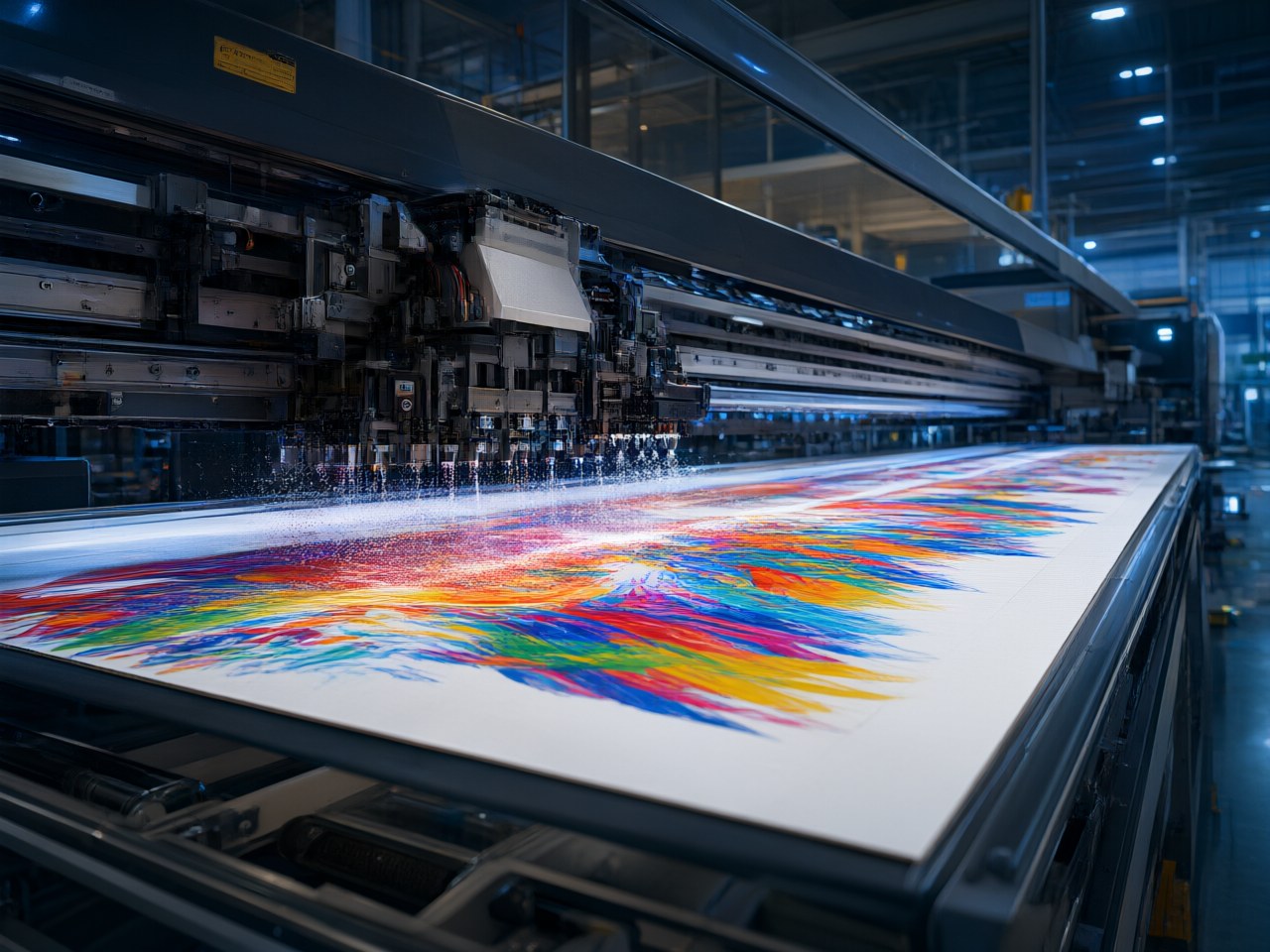
The global Industrial Inkjet Printers Market is witnessing steady expansion as manufacturers across packaging, food and beverage, pharmaceuticals, chemicals, personal care, electronics, and other industries increasingly adopt digital printing technologies. The ability of industrial inkjet printers to deliver high-speed, high-resolution, variable-data printing across multiple substrates has made them an important component of modern manufacturing and packaging operations.
According to the latest market analysis, the global industrial inkjet printers industry was valued at US 15.7 Bn by 2035, expanding at a CAGR of 4.4% from 2025 to 2035.
The increasing demand for customized packaging, personalized labels, product traceability, and short-run production is supporting market growth. At the same time, manufacturers are increasingly focusing on cost reduction, operational efficiency, reduced material waste, and sustainable production practices. Industrial inkjet printing enables businesses to make rapid design changes without expensive printing plates or lengthy setup procedures, providing greater flexibility than conventional printing technologies.
Technological advancements in printhead design, ink formulations, resolution, color accuracy, automation, and variable-data printing are further improving the capabilities of industrial inkjet printers. These developments are expected to create new opportunities across high-volume manufacturing and specialized industrial applications throughout the forecast period.
Growing Demand for Customization Drives Industrial Inkjet Printers Market The growing demand for customized and personalized products represents one of the strongest drivers of the Industrial Inkjet Printers Market.
Consumer preferences are becoming increasingly diverse, while brands are using personalized packaging and promotional designs to differentiate products in competitive markets. The expansion of e-commerce has further increased demand for flexible packaging, customized labels, variable product information, and short production runs.
Industrial inkjet printers allow manufacturers to print logos, barcodes, QR codes, serial numbers, product information, promotional messages, and unique graphics directly onto products or packaging. Unlike conventional printing methods, digital inkjet systems can modify content between individual products or production batches without requiring new plates or extensive setup.
This flexibility is particularly valuable for companies launching limited-edition products, regional packaging variants, promotional campaigns, and customized consumer products.
Packaging manufacturers can also respond more rapidly to changing customer requirements because designs can be modified digitally. As brands increasingly use packaging as a marketing and communication tool, demand for flexible digital printing solutions is expected to increase.
Cost Efficiency and Reduced Waste Accelerate Market Growth Cost efficiency is another important factor contributing to the expansion of industrial inkjet printing technology.
Traditional printing processes such as offset and flexographic printing often require printing plates, screens, lengthy preparation procedures, and significant setup time. These requirements can make traditional technologies less economical for short production runs or applications involving frequent design changes.
Industrial inkjet printers eliminate many of these preparation requirements by transferring digital artwork directly onto the substrate. Manufacturers can therefore reduce setup time, minimize production interruptions, and lower costs associated with plates and screens.
Inkjet technology also supports on-demand production, allowing businesses to manufacture only the quantity required. This reduces excess inventory, obsolete packaging, and unused printed materials.
Precise ink deposition further helps minimize ink consumption and printing waste. The combination of reduced setup requirements, lower material waste, shorter production cycles, and flexible production makes industrial inkjet printing attractive to manufacturers seeking both economic and environmental benefits.
As companies increasingly prioritize sustainability alongside profitability, the ability of inkjet systems to reduce waste is expected to strengthen their adoption across industrial applications.
Advancements in Printing Quality Expand Application Scope Technological improvements in industrial inkjet printers are expanding their use across industries that require high-quality and highly precise printing.
Modern systems provide improved resolution, color consistency, printhead accuracy, and production speeds. These capabilities allow manufacturers to produce detailed graphics, fine text, barcodes, and variable information with greater reliability.
The pharmaceutical industry, for example, requires accurate printing of batch numbers, expiration dates, product identification codes, and regulatory information. Food and beverage manufacturers similarly require reliable coding and labeling systems for traceability and compliance.
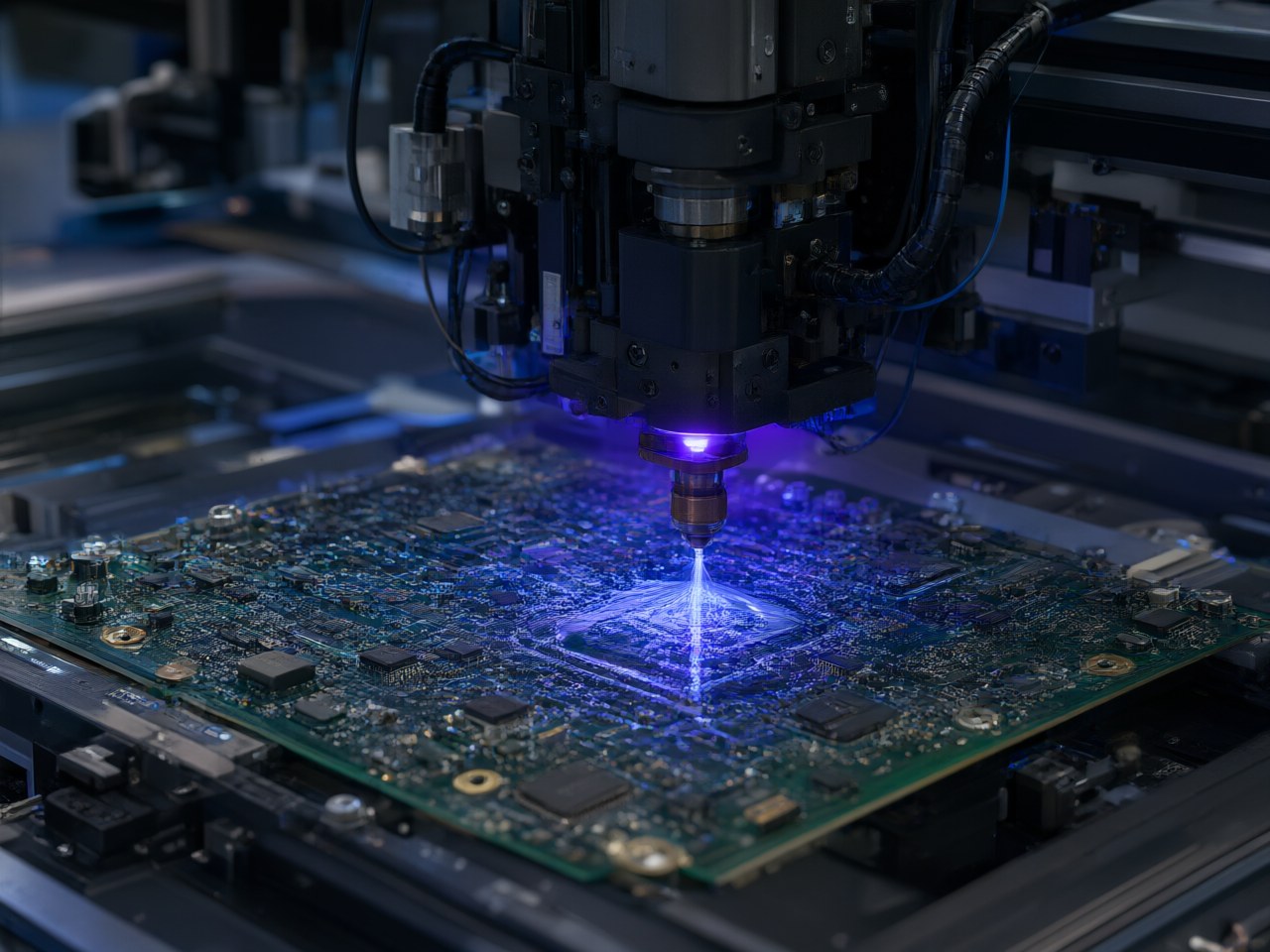
Electronics manufacturers increasingly depend on precision printing for product identification and specialized industrial applications. Textile producers also benefit from digital printing technology because it supports customized patterns and smaller production quantities.
Continuous improvements in ink chemistry are additionally allowing manufacturers to print on diverse substrates, including paper, plastic, glass, metal, films, corrugated materials, and textiles. This substrate flexibility significantly expands the addressable market for industrial inkjet printers.
Continuous Inkjet Printers Maintain Strong Market Position Based on type, Continuous Inkjet (CIJ) Printers maintain a prominent position in the global industrial inkjet printers market.
CIJ printers are widely used in high-speed production environments because they can continuously print variable information while manufacturing lines remain operational. Their ability to operate at high speeds makes them particularly suitable for food and beverage packaging, pharmaceuticals, chemicals, cables, automotive components, and other industrial products.
One of the key advantages of CIJ technology is its ability to print on both porous and non-porous surfaces. Manufacturers can use CIJ systems to apply codes and markings to products with different shapes, sizes, and material characteristics.
The technology also supports continuous operation with relatively limited interruption, making it suitable for demanding manufacturing environments where production downtime can result in significant financial losses.
The durability and flexibility of CIJ printers, combined with their ability to handle high-volume printing requirements, are expected to sustain demand throughout the forecast period.
Packaging Industry Creates Significant Growth Opportunities The packaging sector represents a major opportunity for industrial inkjet printer manufacturers.
Brands increasingly require packaging solutions that combine attractive visual designs with traceability, personalization, and regulatory information. Digital inkjet technology allows packaging producers to deliver variable content without significantly increasing production complexity.
Primary, secondary, and tertiary packaging can all benefit from industrial inkjet solutions. Corrugated boxes, flexible films, pouches, bottles, cartons, and other packaging formats can incorporate variable information such as barcodes, QR codes, promotional messages, production dates, and logistics data.
The continued growth of e-commerce is further increasing the need for flexible packaging and customized shipping materials. Businesses can use digital printing to create targeted packaging campaigns and seasonal designs without maintaining large inventories of pre-printed materials.
As brands increasingly experiment with personalized packaging and direct-to-consumer business models, industrial inkjet printing is expected to become increasingly important in modern packaging production.
Asia Pacific Leads the Industrial Inkjet Printers Market Asia Pacific represents a leading regional market for industrial inkjet printers due to its strong manufacturing base, expanding packaging industry, and increasing adoption of automated production technologies.
China, Japan, India, and South Korea are major manufacturing centers for industries including electronics, automotive, food and beverage, pharmaceuticals, textiles, and consumer goods. These industries require fast, accurate, and flexible printing solutions for product identification, packaging, coding, and branding.
China remains a major manufacturing hub, while India is experiencing rapid industrial expansion and increasing investments in packaging and consumer goods production. Japan and South Korea contribute through advanced electronics, automotive, and industrial manufacturing capabilities.
The region's expanding e-commerce sector is also generating demand for customized packaging and variable-data printing. Manufacturers are increasingly investing in digital production technologies to improve efficiency and respond rapidly to changing consumer requirements.
Asia Pacific is therefore expected to remain a strategically important region for industrial inkjet printer manufacturers during the forecast period.
Competitive Landscape The global Industrial Inkjet Printers Market is characterized by strong competition among established printing technology providers. Companies are focusing on product innovation, print quality improvements, manufacturing capacity expansion, strategic partnerships, and new product launches to strengthen their market positions.
Major companies operating in the market include Brother Industries, Ltd., Canon Inc., HP Inc., Kyocera Corporation, Markem-Imaje, Mimaki Engineering Co., Ltd., Seiko Epson Corporation, The Ricoh Company, Ltd., Videojet Technologies, Inc., and Xerox Corporation.
These companies are investing in advanced printheads, digital ink technologies, automation, high-speed printing systems, and software solutions. Product development is increasingly focused on improving productivity, reducing ink consumption, enhancing print quality, and supporting a broader range of substrates.
Strategic expansion of production capabilities is also becoming important as manufacturers seek to address growing demand for industrial digital printing equipment across emerging markets.
Recent Developments in the Industrial Inkjet Printers Market Industry participants continue to strengthen their product portfolios and manufacturing capabilities.
In December 2024, Canon India introduced a new range of printers spanning its PIXMA MegaTank and imageCLASS product lines. The launch targeted small and medium-sized businesses, home offices, and enterprises, with an emphasis on print quality, productivity, and cost efficiency.
In June 2024, Tohoku Epson Corporation, part of the Seiko Epson Group, began construction of a new inkjet printhead manufacturing facility. The company announced an investment of approximately 5.1 billion yen, with the new facility expected to substantially increase existing printhead production capacity.
Such investments demonstrate the continued importance of printhead technology and manufacturing capacity in supporting the long-term development of digital inkjet printing.
Future Outlook The outlook for the global Industrial Inkjet Printers Market remains positive as manufacturers increasingly seek flexible, cost-effective, and sustainable printing technologies.
The transition toward customized packaging, short-run production, variable-data printing, and on-demand manufacturing will continue supporting adoption. At the same time, improvements in print resolution, color accuracy, printhead durability, ink formulations, automation, and production speed will expand the range of industrial applications.
Continuous inkjet printers are expected to maintain strong demand in high-volume manufacturing environments, while on-demand inkjet technologies will benefit from growing requirements for customized and digitally printed products.
The increasing focus on waste reduction and sustainable manufacturing will further strengthen the attractiveness of digital inkjet printing compared with conventional processes that require extensive setup and generate additional material waste.
With the global market projected to increase from US 15.7 Bn by 2035, industrial inkjet printing is expected to remain an important technology for manufacturers seeking greater production flexibility, improved personalization, enhanced traceability, and efficient printing operations.
Source
- openpr.com - Original article: Industrial Inkjet Printers Market to Reach USD 15.7 Billion by 2035 as Demand for Customized Packaging and Cost-efficient Printing Accelerates