Republished by Scitop Ltd. All rights belong to the original publisher; see Source below.
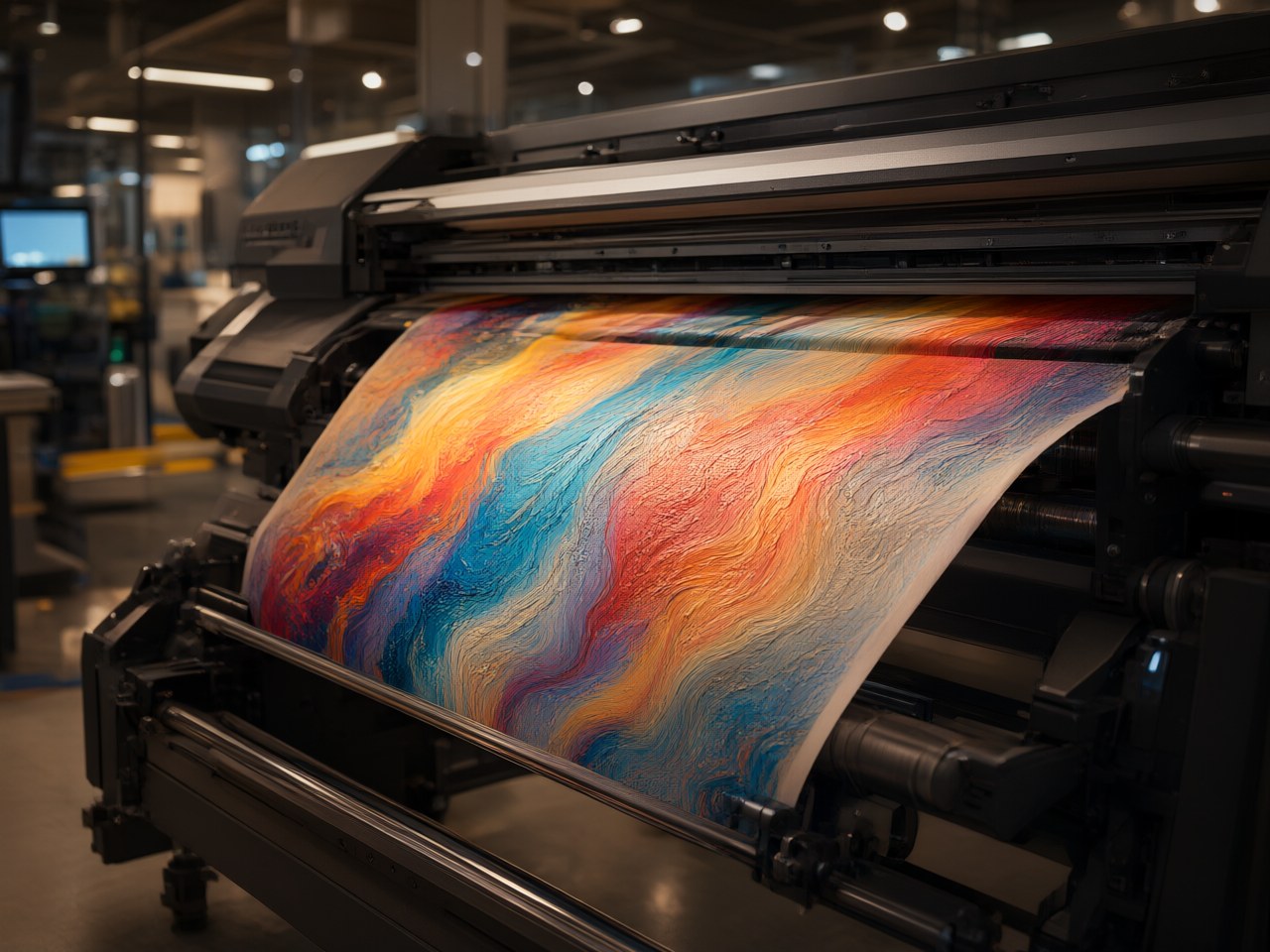
Entry-level 1.6m roll-fed printers offer low-cost expansion and high return on investment. Choosing the right technology depends on application needs: eco-solvent delivers low costs and vibrant colors, latex provides versatile, eco-friendly outdoor durability without lamination, and UV-curable offers fast LED curing across diverse media with minimal energy consumption.
Printer vendors often shy away from terms like entry-level or budget to describe their printers, fearing that customers might assume they take these devices less seriously than their more expensive counterparts. But entry-level printers play a very important part in the wide format print market, especially in terms of 1.6m wide roll-fed machines.
Many print shops have started off with these devices, and used them to grow their initial customer base to prove that they have a solid business plan. Established companies, including offset and flexo printers, have used them to step into the wide format world. And plenty of successful wide format print service providers have bought these devices simply to add to their capacity without breaking the bank.
There’s a good deal of competition so pricing tends to be quite keen with very little leeway for further discounts. But many dealers might be happy to offer a deal on a RIP or a service contract or even around the ink pricing so most people should be able to find a printer that suits them with a little shopping around.
There are several different print technologies to choose from. For many people, the obvious starting point is going to be eco-solvent as both the printers and inks are the cheapest option, making for a very compelling return on investment argument. The solvent within the ink helps to bind the pigments into the surface coating of the media before evaporating away. It works best with a suitably coated media but there is a huge choice of such materials. Eco-solvent ink generally produces very vibrant punchy colours. However it is not suitable for long term outdoor use, as the ink may fade unless laminated. It is popular for vehicle graphics, where lamination is common, as the ink can tolerate being heated and stretched. Some vendors offer optional heaters to help dry the ink faster, which in turn allows for faster printing.
Latex, also known as resin ink, offers a step up. Both Roland DG and Epson offer entry-level resin ink printers, as well as HP, which also sells larger, 3.2m wide roll-fed and hybrid latex printers. This ink is water-based, which allows for a more eco-friendly approach that may be a useful selling point to some customers. There’s no odour and no risk from VOC volatile organic compounds. However, the ink does need to be dried, which consumes some energy and does add to the running cost. That said, the ink dries quickly and prints can be dispatched immediately with no further time needed to settle or out-gas.
It can be used with many different media types, including paper, vinyl and textiles. Some resin printers use more heat for drying than others and that can be a problem for some heat-sensitive materials like window cling films. Nonetheless, resin or latex ink offers a good compromise in terms of reasonably low cost with excellent performance on a range of media under different ambient conditions. This type of ink generally produces strong colours, with a good degree of resistance to scratching and UV light that makes it suitable for outdoor work without requiring lamination. That’s a distinct advantage over eco-solvent printers, and also makes latex a reasonable alternative to UV-curable inks.
Although with the entry-level market we are mostly talking about 1.6m wide rollfed printers, HP does sell one small hybrid printer, the R530, which is a 1.6m wide printer complete with tables to give it the option of printing to rigid boards.
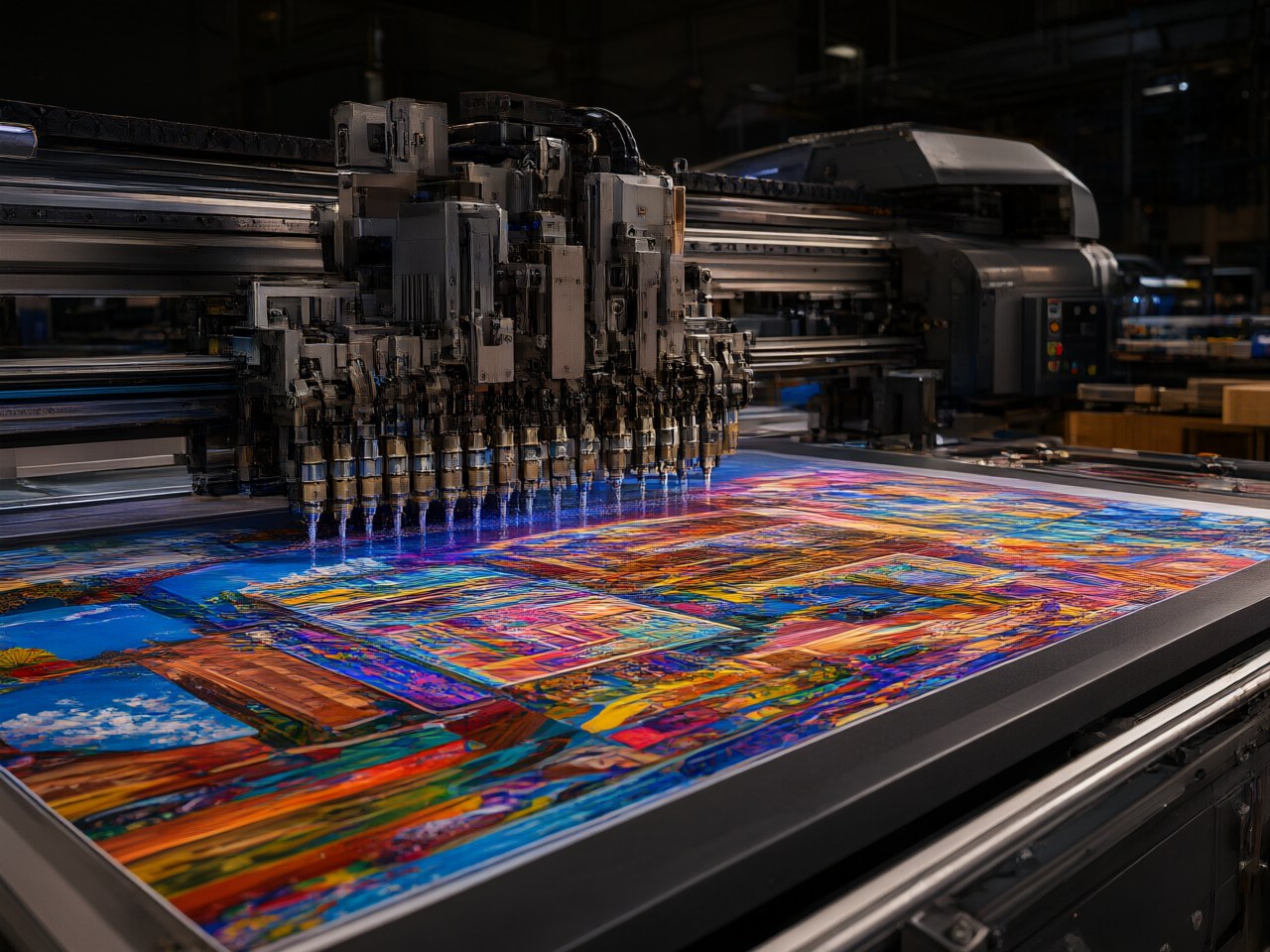
Then there is UV-curable, which is a polymer-based ink. This relies on a chemical reaction from exposure to UV light, which these days is usually an LED array, to force the polymers to crosslink. This cures the ink and binds the resultant ink film to the surface of the substrate. This ink tends to be more expensive than eco-solvent or latex but UV printers consume less ink because there is no evaporation or drying. This also means that these printers do not use a great deal of electrical power.
This ink will adhere to a very wide range of substrates including banners and tarpaulins as well as vinyls. UV flatbeds will also print to non-porous materials such as metal and glass. Better still, the ink cures to a reasonably tough finish, which is resistant to abrasions and general ambient conditions so that it is suitable for outdoor displays without additional lamination. However, the finish from a UV rollfed printer is not quite as tough as with a flatbed printer – otherwise the ink would crack as the media flexes. Some vendors will claim that unlaminated UV prints offer longer outdoor life than unlaminated latex prints but there will be variations between different ink formulations, and the media will also play a role, so users should test for life expectancy from individual printer and media combinations.
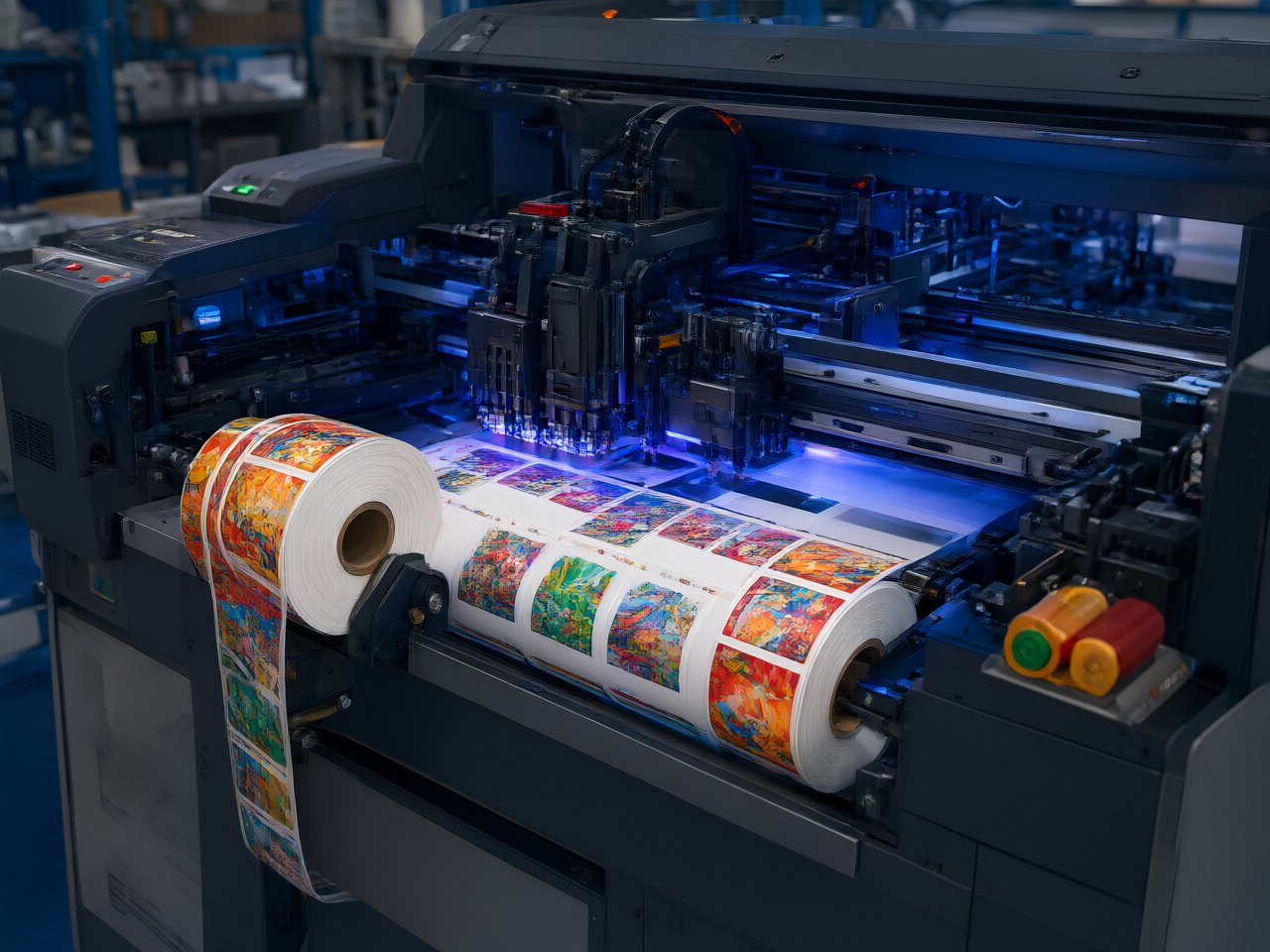
Apart from the choice of ink technology, there will always be some compromises at the budget end of the market. The most obvious will be productivity, as many of these printers will use a single printhead to keep costs down. Another compromise will be the number of colours, with most of these models limited to CMYK. These printers may also lack some features such as the ability to print multiple layers to create backlit or double-sided images. When it comes to keeping the printheads and nozzles in good health, entry-level models will mostly rely on manual cleaning so it’s worth making sure that operators are properly trained to do this.
That said, technical improvements have generally filtered down to the cheaper models, so that today’s entry-level printers are faster and more robust than in the past, with better control software for communicating things such as error warnings and system status. Many include features to aid with loading rolls and feeding the media through to the take-up roll, which helps with the overall productivity.
Ultimately the main role for an entry-level machine is as a relatively simple low-cost device that can just keep churning out basic work with little intervention. These sort of printers should pay for themselves within a couple of months. And provided they are looked after and kept clean, they can run for years, which can add up to a much better return on investment than more complex machines.
Source
- FESPA (2026-08-24) - Original article: What is the best entry -level wide format printer? Eco-Solvent, Latex, or UV?